Physical Address
304 North Cardinal St.
Dorchester Center, MA 02124
Physical Address
304 North Cardinal St.
Dorchester Center, MA 02124


The flu (influenza) and the common cold are two of the most frequently searched health topics online. Because they share many similar symptoms, it can sometimes be difficult to tell them apart.
This guide explains the key differences between flu and cold symptoms, how long they typically last, and when people often consider seeking medical attention.
The common cold is usually a mild viral infection that affects the upper respiratory system, including the nose and throat.
Colds are very common and can occur multiple times a year, especially during colder months.
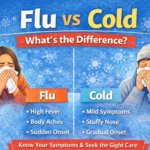
Cold symptoms are usually gradual and mild compared to the flu.
The flu is also caused by a virus, but it tends to affect the body more strongly than a cold. Symptoms often appear suddenly and can be more intense.
People with the flu often feel significantly worse than with a common cold.
Ad Space
| Symptom | Cold | Flu |
|---|---|---|
| Onset | Gradual | Sudden |
| Fever | Rare | Common |
| Body aches | Mild | Strong |
| Energy level | Mostly normal | Very low |
Both the flu and a cold usually improve over time, but their duration can differ.
Fatigue from the flu may last longer even after other symptoms improve.
Both illnesses are caused by viruses and can spread through:
This is why these illnesses are more common during certain seasons.
Ad Space
People may consider seeking medical attention if symptoms:
If someone is unsure, consulting a healthcare professional is generally recommended.
Individual approaches may vary depending on personal health situations.
In many cases, flu symptoms are more intense than those of a cold.
While uncommon, it is possible to experience multiple infections.
The flu often starts suddenly and includes stronger symptoms such as fever and body aches.
This article is for informational purposes only and does not provide medical advice, diagnosis, or treatment. Always consult a qualified healthcare professional for medical concerns.